
Are your city's lighting projects stuck in the past? Old street lights waste energy and money. Modern design principles offer a smarter, more efficient, and cost-effective solution.
Essential street light design focuses on four key principles. You need to consider multi-functionality for smart cities1, sustainability through solar power2, adapting designs to local conditions3, and ensuring your supplier has the right experience4 and documentation for a smooth project. This makes your city safer and smarter.
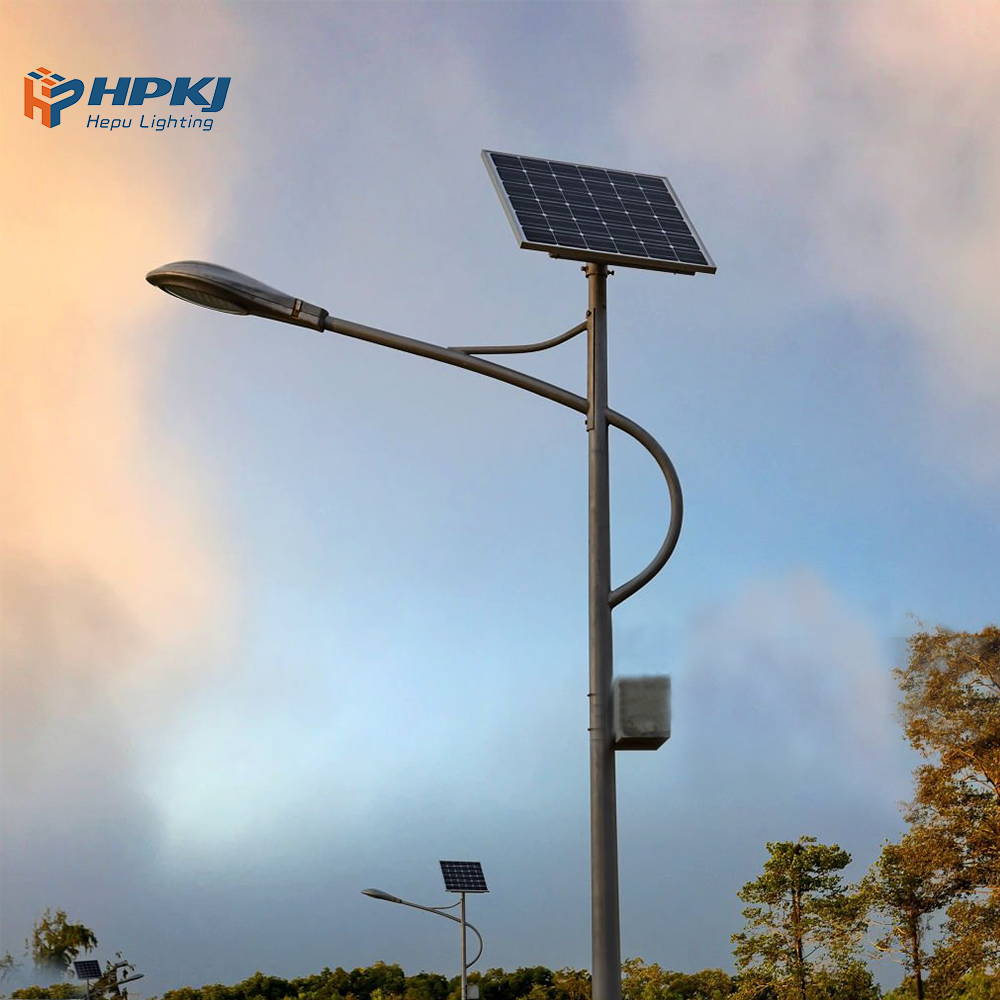
These principles sound simple. But they can make or break your project. I’ve been in this business since 1990, and I've seen how getting the details right from the start saves a lot of headaches. Let's look at what really matters when you plan your next lighting project, so you can avoid common and costly mistakes.
Can a Street Light Do More Than Just Shine?
Do you think a street light is just for light? This limited view costs cities major opportunities. A modern light pole can become a powerful, multi-functional hub for your smart city infrastructure.
Yes, a street light can do much more. It can be a multi-functional smart pole5. It can provide Wi-Fi, charge electric vehicles, monitor air quality, and enhance security with cameras. This turns a simple light into a valuable city asset, customized for your government's specific needs.
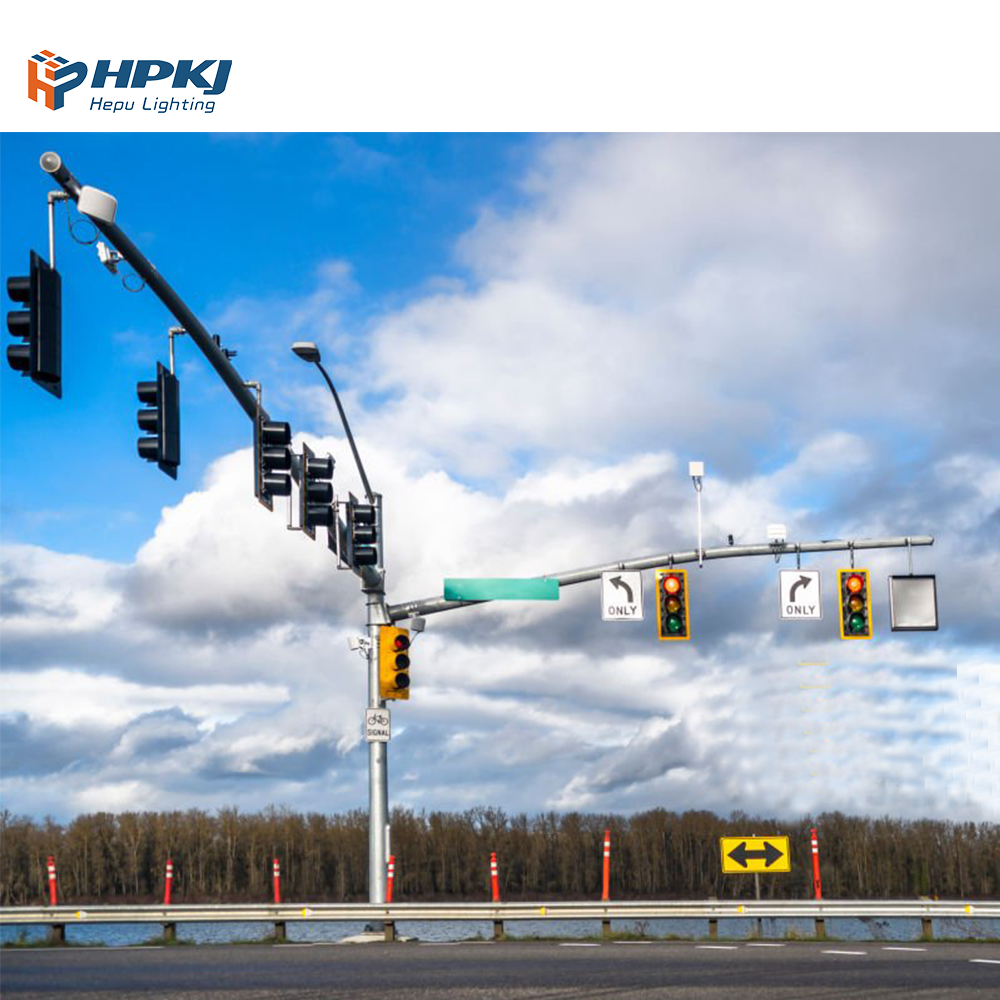
We used to think a light's only job was to light up a street. That time is over. Today, we design "smart poles." These poles are the backbone of a smart city. Imagine a single pole that does five jobs. It provides light, of course. But it can also have a 5G base station6 for better phone service. It can have a charging port for electric cars. We can add sensors to it. These sensors can check for smog or measure traffic flow. We can even put security cameras on them to make public spaces safer.
I remember a client from a major city who needed to tackle air pollution. So, we designed a pole with built-in smog sensors and air purifiers. The government gets real-time data and can act on it. This is what customization means. We don't just sell you a light. We listen to your city's problems. Then we build a solution right into the light pole. This turns a cost center into a value-creating asset.
| Smart Function | Benefit for the City |
|---|---|
| EV Charging7 | Supports green transportation and can generate revenue. |
| Wi-Fi Hotspot8 | Provides public internet access, bridging the digital divide. |
| Environmental Sensors9 | Monitors air quality, noise, and weather in real-time. |
| Security Cameras10 | Improves public safety and helps law enforcement. |
| Digital Signage11 | Displays public information, ads, or emergency alerts. |
Why Is Your Supplier's Local Project Experience So Critical?
Choosing a supplier without local experience is a big risk. They don't understand your market or its unique challenges. This can lead to project delays, budget overruns, and failed installations.
Local project experience12 is critical. It means the supplier understands your climate, regulations, and construction practices. A supplier with EPC (Engineering, Procurement, and Construction) experience13 can manage the entire project for you. This guarantees a smoother process and a better outcome for your investment.

When you are an engineering contractor, your reputation is on the line. You need a supplier who won't let you down. I can't stress this enough: choose a supplier with experience in your region. We have sold lights to the UAE, Morocco, and Nigeria. The challenges in each place are different. In the UAE, you need to handle extreme heat and sand. In Nigeria, you might face logistical challenges and need very robust, low-maintenance systems. A supplier who has been there knows this.
Experience with EPC projects is even better. It means the supplier can handle everything. From initial design (Engineering) to sourcing all materials (Procurement) to building it (Construction). This is a turnkey solution. You have one point of contact. This saves you so much time and coordination effort. I remember a project in Morocco where our EPC experience helped us navigate the local customs and labor rules. The project was completed on time because we anticipated the challenges. A new supplier would have been stuck for weeks. Don't just look at the price tag. Look at the supplier's track record in your country.
| Supplier Type | Potential Risks | Key Benefits |
|---|---|---|
| No Local Experience | Misunderstands climate, wrong product choice, import issues. | Usually cheaper upfront (but costs more later). |
| With Local Experience | None. | Understands regulations, better product fit, smoother logistics. |
| With Local EPC Experience | None. | Manages the entire project, one point of contact, guarantees outcome. |
How Do Project Location and Scale Affect Street Light Design?
Using a one-size-fits-all street light14 is a common mistake. A light designed for a small park will fail on a major highway. This wastes money and compromises public safety.
Location and scale15 are fundamental to design. Location determines the materials, pole height, and power source (like solar suitability). Scale determines the number of lights, their spacing, and the overall power grid requirements. A good design tailors every aspect to the specific site for optimal performance.
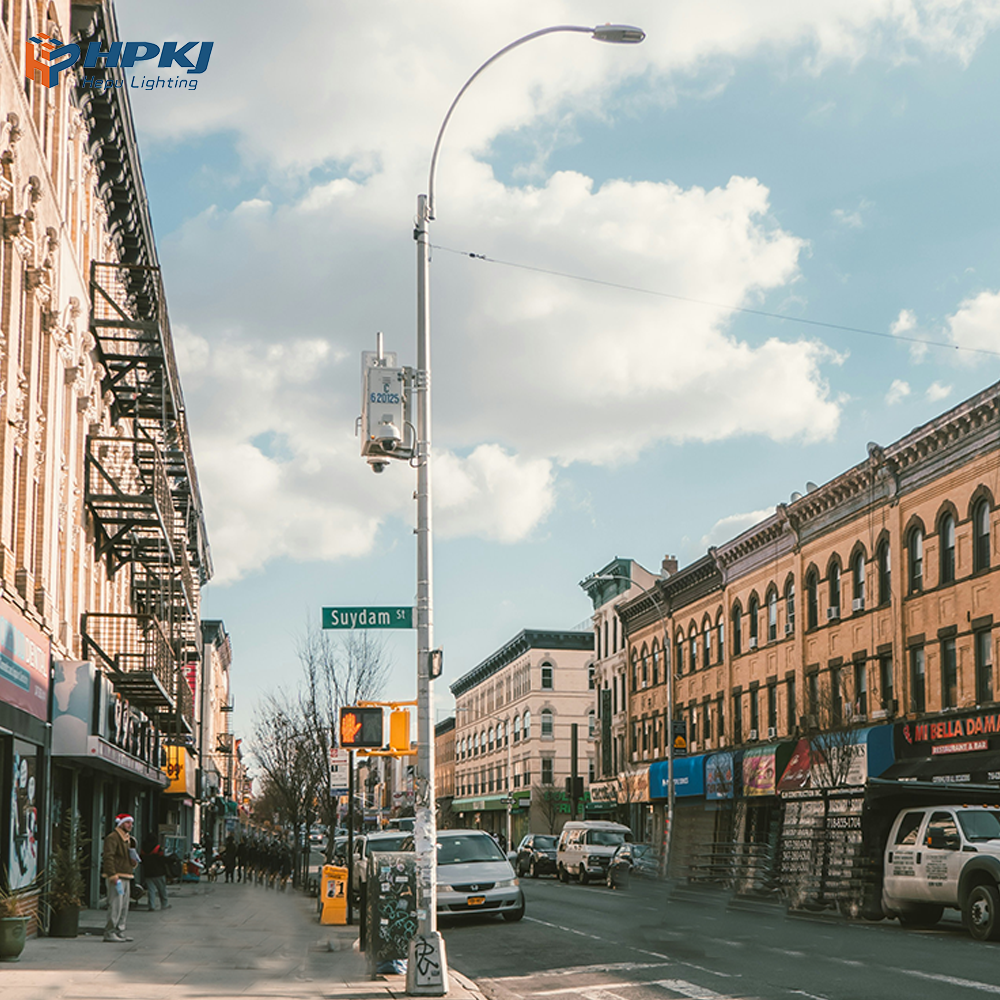
Every project is unique. We always start with two questions: Where is the project? And how big is it? The "where" tells us about the environment. Is it a coastal area in Vietnam with salty air? We need to use corrosion-resistant materials. Is it a Russian city with long, dark winters? The battery backup for solar lights must be larger. Is it a historic town square in Rome? The design needs to look good and fit the local style. We have over 800 different lamp models for this very reason.
The "how big" question is about scale. Lighting a single residential street is simple. Lighting a 50-kilometer highway is a major infrastructure project. The scale affects everything. For a large project, we need to think about logistics. How do we get 5,000 poles to the site? It also affects the technology. We might use a central control system to manage all the lights from one place. This allows you to dim lights at 3 AM to save energy. We don't just sell products. We design solutions based on your specific location and scale.
| Factor | Design Consideration | Example |
|---|---|---|
| Location (Climate) | Solar panel size, battery capacity, materials. | A project in Uganda needs different solar specs than one in Russia. |
| Location (Setting) | Pole height, light distribution, aesthetics. | A park needs shorter, warmer lights. A highway needs tall, bright lights. |
| Scale (Small) | Simple installation, individual controls. | A dozen lights for a garden square. |
| Scale (Large) | Centralized management system, complex logistics. | Thousands of lights for a new city district. |
What Data and Certifications Do You Need for a Smooth Import Process?
Your shipment is stuck at the port. The paperwork is wrong. This is a contractor's nightmare. It all comes from choosing a supplier who doesn't understand international trade compliance and documentation.
For a smooth import, you need a supplier who provides complete and correct documentation. This includes technical specification sheets matching local standards, quality certifications like ISO900116, and country-specific certificates. This data proves the product's quality and legality, ensuring it clears customs without delays.
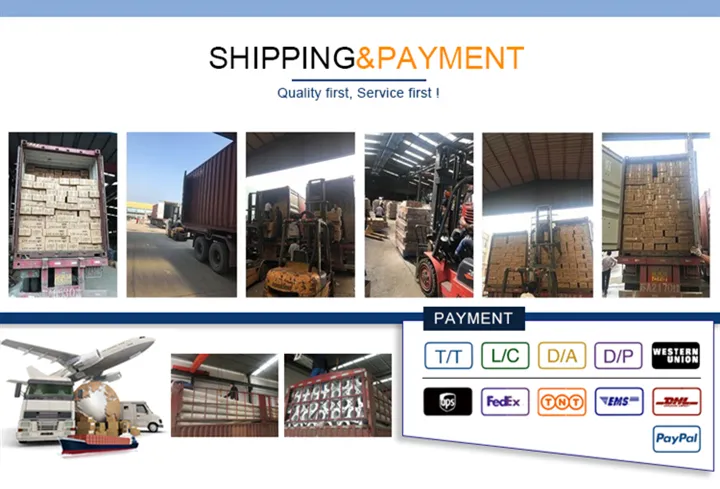
Getting your products through customs can be complicated. But it is easy if your supplier knows what they are doing. Every country has its own rules. As a contractor, you don't have time to become an expert on import regulations. Your supplier should be that expert. We have been exporting our lights since 1990. We know what documents are needed for the UAE, for Thailand, for countries in Africa and Europe.
You need basic quality proof. This is where certifications like ISO900116 come in. It shows our factory follows international quality management standards. A BSCI certification17 shows we follow ethical business practices. Then you need product-specific data. This includes detailed technical sheets that show the light's performance, materials, and electrical specs. This data must match the standards in your country. For example, European countries often require CE and RoHS certificates. We provide all of this. It makes your job easier. Your shipment arrives on time, and your project stays on schedule. A good supplier prepares all this for you. It's part of the service.
| Document / Certification | What It Proves | Why You Need It |
|---|---|---|
| ISO 9001 | The manufacturer has a quality management system. | Assurance of consistent product quality. |
| BSCI | The manufacturer follows ethical social standards. | For corporate social responsibility requirements. |
| Technical Data Sheet18 | Product specifications (lumens, wattage, materials). | To prove it meets project and local requirements. |
| Country-Specific Certs (e.g., CE) | The product meets regional safety and environmental laws. | Required for legal import and sale in that region. |
Conclusion
In modern street light design, success comes from four things: smart features, supplier experience, site-specific design, and proper documentation. Get these right, and your project will shine brightly.
Explore how multi-functional street lights can transform urban infrastructure and enhance city services. ↩
Learn how solar-powered street lights can reduce energy consumption and promote environmental sustainability. ↩
Understand the significance of customizing street light designs to suit local environmental and regulatory needs. ↩
Discover how a supplier's experience can impact the success and efficiency of street lighting projects. ↩
Find out how smart poles can enhance urban living by integrating various technologies. ↩
Explore the role of 5G base stations in street lights for better mobile network coverage. ↩
Understand the advantages of incorporating EV charging stations in street lights for sustainable transport. ↩
Discover how Wi-Fi-enabled street lights can provide internet access and bridge the digital divide. ↩
Explore the role of environmental sensors in monitoring air quality, noise, and weather conditions. ↩
Learn how integrating security cameras in street lights can enhance urban safety and law enforcement. ↩
Find out how digital signage in street lights can display public information and emergency alerts. ↩
Understand the importance of local experience in ensuring successful street lighting installations. ↩
Learn how EPC experience can streamline street light projects from design to construction. ↩
Discover the drawbacks of using a generic approach in street light design and the need for customization. ↩
Explore how the specific location and scale of a project influence street light design decisions. ↩
Understand the significance of ISO9001 certification in ensuring quality management in street light manufacturing. ↩
Explore the role of BSCI certification in promoting ethical business practices in street light production. ↩
Find out what details are provided in a Technical Data Sheet and why it's crucial for street light projects. ↩