
Tired of high electricity bills and complex installations for street lighting? You need a solution that is both cost-effective and easy to deploy, but you're unsure where to start.
Yes, solar-powered street lights1 are an excellent choice for many applications. They offer long-term cost savings2, energy independence3, and installation flexibility4, making them ideal for areas without reliable grid access. However, their performance depends on proper design and environmental conditions.
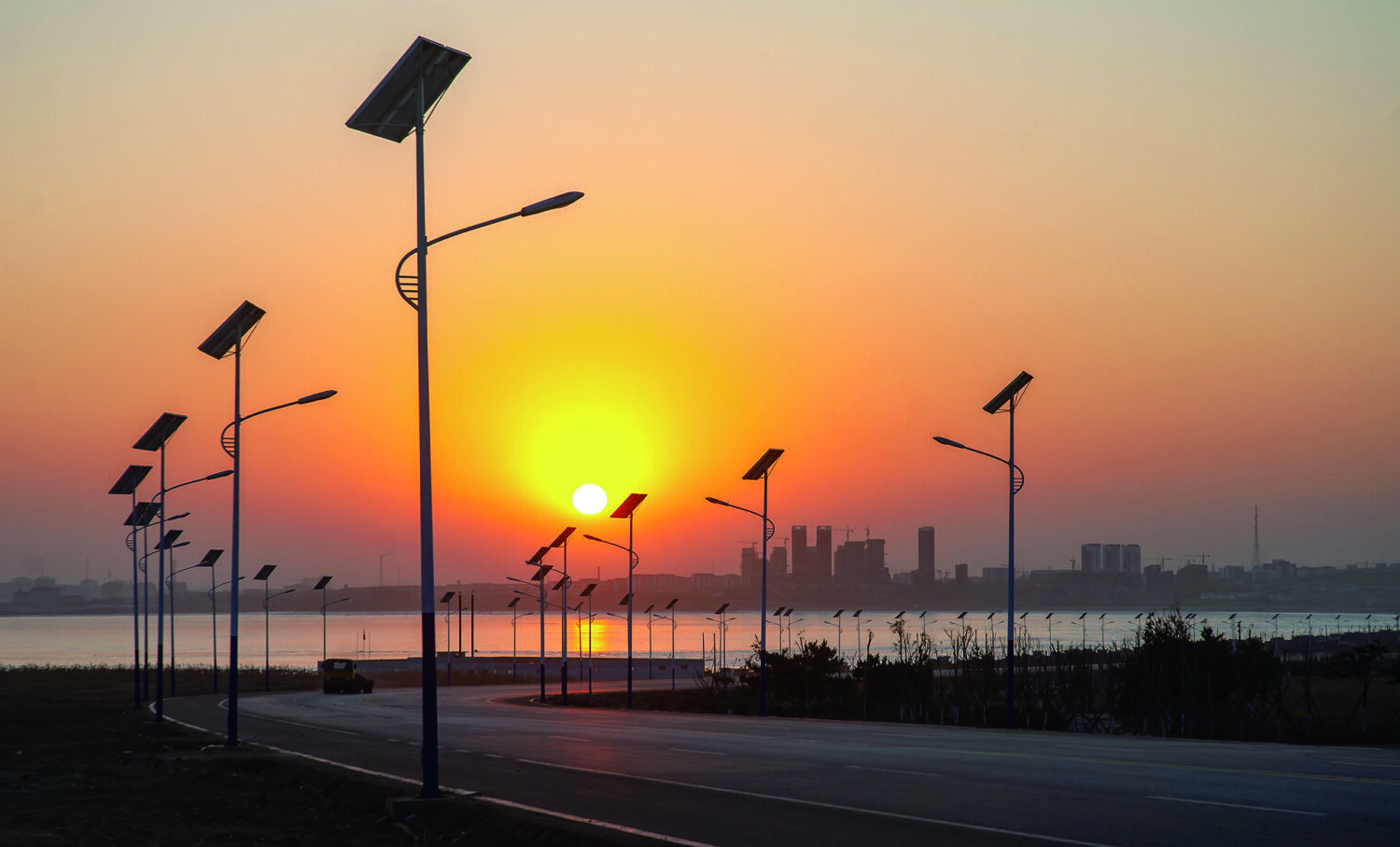
I've been in the solar lighting business since 1990, right here in Yangzhou. I've seen these lights transform public spaces from the deserts of the UAE to the growing cities in Nigeria. But the answer to whether they are "any good" is not a simple yes or no. The real answer depends on your project's specific needs. Let's look at the details so you can make an informed decision for your next project.
What makes solar street lights a smart long-term investment?
Worried about rising energy costs and grid instability affecting your projects? You want a lighting solution that gives you predictable expenses and reliable performance, no matter what happens.
Solar street lights are a smart investment because they eliminate electricity bills and trenching costs. This leads to a lower total cost of ownership over their lifespan. Their off-grid nature5 also provides enhanced safety and reliability, especially in remote locations6 or during power outages.
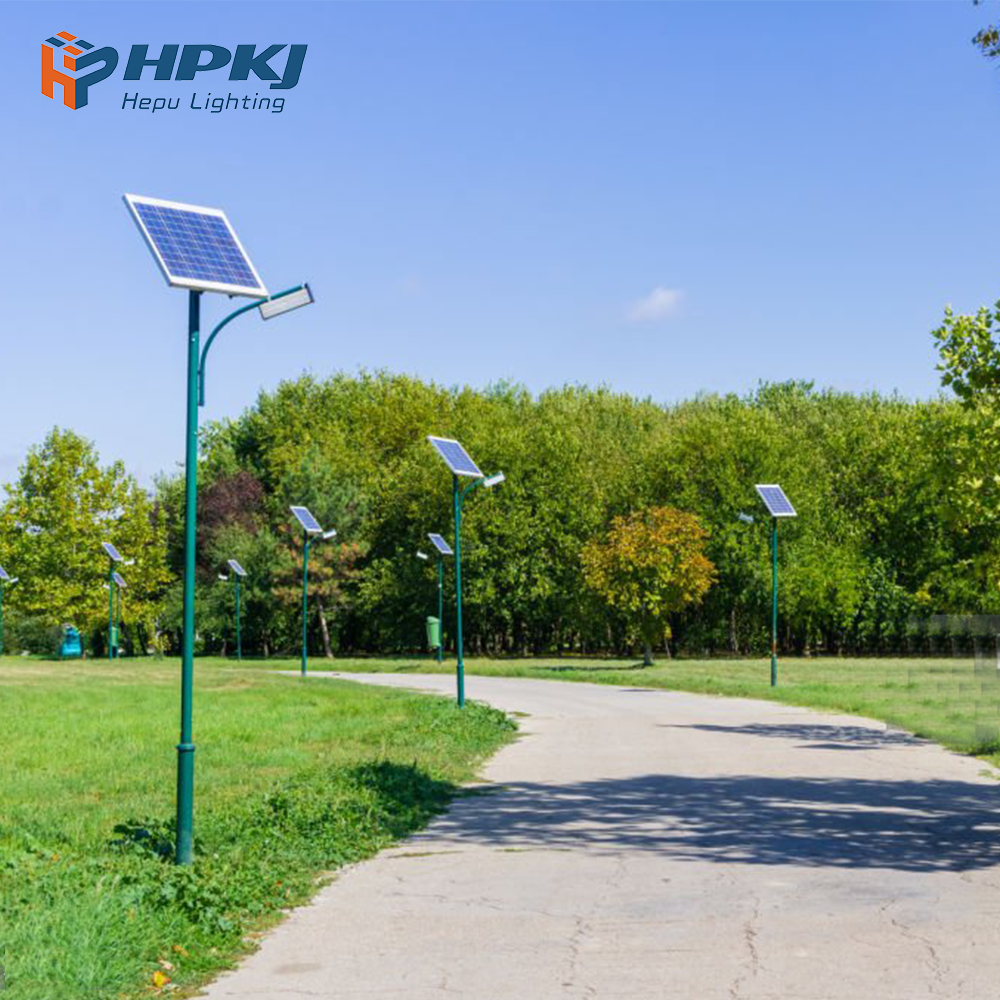
From my experience working with contractors for over three decades, the conversation always turns to cost. While the initial purchase price is a factor, the smart money looks at the total cost over 10 or 20 years. This is where solar street lights truly shine. Let's break down why they are such a strong long-term choice.
They Save You Money Over Time
The biggest financial benefit is that solar street lights operate off-grid. This means zero electricity bills, forever. For a city or a large commercial project, this saving adds up to a huge amount over the years. You also save a lot on installation. Traditional lights need trenches for cables, which involves heavy machinery, labor, and disrupting the ground. Solar lights don't need any of that. You just need a foundation for the pole. I remember a project in a remote part of Uganda where trenching would have been nearly impossible and incredibly expensive. Solar was the only practical solution, and it saved the client a fortune.
They Offer Unmatched Flexibility and Reliability
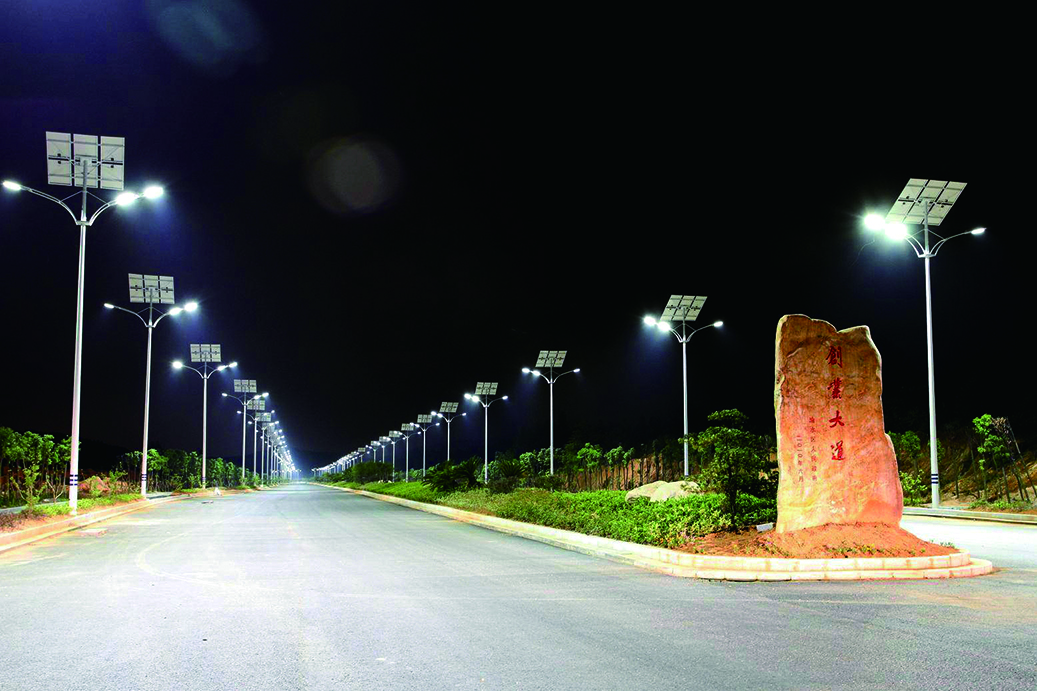
You can install these lights almost anywhere the sun shines. You are not limited by the reach of the power grid. This is perfect for new developments, rural roads, parks, and large industrial sites. Another key point is security. When a storm or grid failure causes a blackout, traditional street lights go out. This creates a safety risk. But solar street lights keep working. They have their own power source stored in the battery. This provides continuous light and security for people, which is a feature many of our clients in Africa and Southeast Asia value highly.
| Feature | Traditional Street Light | Solar Street Light |
|---|---|---|
| Electricity Cost | Ongoing, variable cost | Zero |
| Installation | High (trenching, cabling) | Low (pole foundation only) |
| Location | Limited by grid access | Highly flexible |
| Blackout Performance | Fails | Stays on |
| Environmental Impact | High carbon footprint | Zero carbon emissions |
What are the biggest challenges you might face with solar street lights?
Concerned about the high upfront cost and performance of solar lights? You need to know the potential downsides before committing a large budget to this technology.
The main challenges are the higher initial investment7 compared to grid-tied lights and their dependence on sunlight. Battery lifespan and replacement costs are also key considerations. These factors require careful planning to ensure the system is both reliable and financially viable for your project.
I always believe in being honest with my customers. Solar street lights are a fantastic technology, but they aren't a magic solution for every single situation. Understanding the challenges is just as important as understanding the benefits. If you know the potential issues, you can plan for them and build a system that works perfectly. Let's look at the real-world limitations you need to consider.
The Initial Cost and Performance Factors
The first thing contractors notice is the higher upfront price. A complete solar street light unit—pole, panel, battery, and lamp—costs more than a conventional lamp head. This initial investment can be a hurdle. However, you must calculate the return on investment (ROI). The savings on electricity and installation often pay back the extra cost in just a few years. Another major factor is the sun. The system's performance is directly tied to how much sunlight it gets. In regions with long, cloudy winters or frequent dust storms, you need a system designed with a larger solar panel and a bigger battery to store enough energy. We had to do this for a project in Russia, ensuring the lights could last through several days of low sunlight.
Battery Life and Structural Demands
The battery is the heart of a solar street light, and it doesn't last forever. Most high-quality lithium batteries, like the ones we use, have a lifespan of 5-8 years. After that, they need to be replaced, which is an added future cost. You must include this in your long-term budget. Also, the solar panel and battery add weight and surface area to the top of the pole. This means the pole itself must be stronger and have a more robust foundation to handle the extra weight and wind load. This can sometimes increase the cost of the pole and the installation work.
| Challenge | How to Manage It |
|---|---|
| High Initial Cost | Calculate the Total Cost of Ownership (TCO)8 to see long-term savings. |
| Sunlight Dependence | Design the system with enough battery backup9 for 3-5 cloudy days. |
| Battery Replacement | Use high-quality lithium batteries and factor replacement cost into the budget. |
| Structural Requirements | Ensure the pole is engineered to support the weight and wind load of all components. |
How can you choose the right solar street light to guarantee success?
Overwhelmed by the technical specifications for solar street lights? You want to avoid making a costly mistake by choosing a system that is either too weak or too expensive.
To choose the right solar street light, you must match the system's specifications to your project's location and lighting needs. This involves analyzing solar panel wattage10, battery capacity, and LED lumen output11. Proper assessment ensures reliable, year-round performance and a good return on investment.
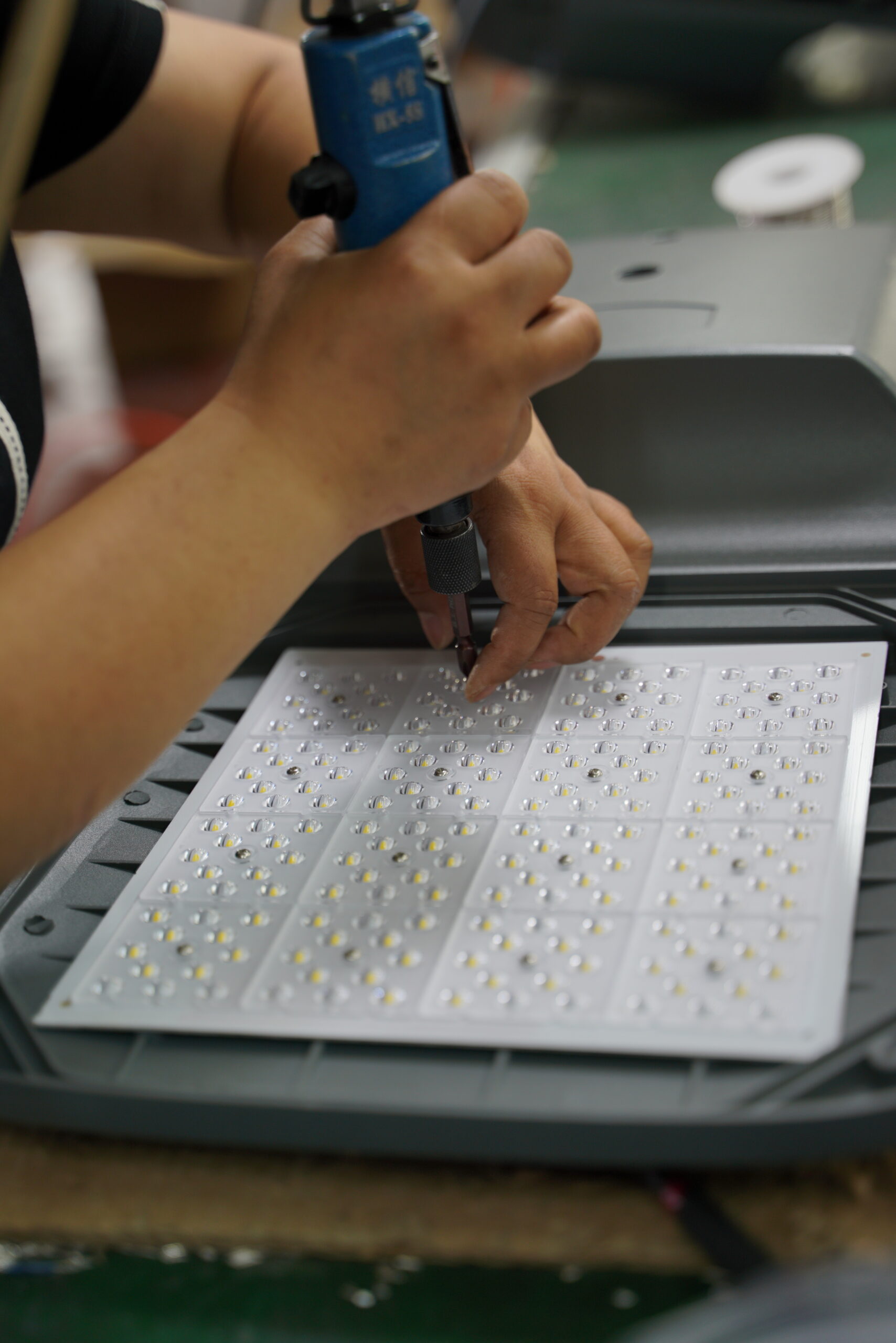
Choosing the wrong product is a waste of money and can damage your reputation as a contractor. I've seen projects fail because the lights were under-specified. They worked great in the summer but went dark in the winter. At Hepu, we work closely with our clients to engineer a system that is right for their specific environment. It's not about selling the most expensive light; it's about providing the right solution. Here is what you need to focus on to make the right choice every time.
Match the Specs to the Location
The most important step is to understand your project's location. How many hours of peak sunlight do you get per day, on average, during the worst month of the year? This number determines the size of the solar panel you need. Next, how many days of autonomy do you require? This means how many cloudy or rainy days in a row the light must operate. This determines the capacity of the battery (measured in Amp-hours). Finally, what are your lighting requirements? This includes the brightness (lumens), the height of the pole, and the distance between poles. A highway needs a much brighter light than a park pathway.
Don't Forget the Physical Structure
As I mentioned, the pole is a critical component. It has to be strong enough to hold the solar panel, which acts like a sail in the wind. You need to know the maximum wind speed in your area to ensure the pole is rated correctly. We manufacture a wide range of poles, including tilt-down poles that make maintenance easier and safer. The quality of the materials is also key. Our poles are hot-dip galvanized to prevent rust, which is very important in coastal or humid areas like Thailand and Vietnam. A good pole will last for decades, so it's a critical part of the investment.
| Specification | What to Look For |
|---|---|
| LED Lumens | Match the brightness to the application (e.g., road, park, square). |
| Solar Panel (Watts) | Must be large enough to fully charge the battery, based on local sun hours. |
| Battery (Ah/Wh) | Must have enough capacity for the required number of autonomous days. |
| Controller | Look for MPPT controllers12 for higher efficiency; ensure it has protective functions. |
| Pole Strength | Must be certified for local wind load requirements. |
| Certifications | Look for ISO900113 for quality management and product-specific certs. |
Conclusion
In short, solar street lights are a powerful, cost-effective solution when chosen correctly. By balancing the pros and cons, you can light up your projects sustainably and affordably.
Explore how solar-powered street lights can offer energy independence and installation flexibility for areas without reliable grid access. ↩
Discover how solar street lights eliminate electricity bills and trenching costs, leading to lower total ownership costs over time. ↩
Learn how solar street lights provide reliable performance without relying on the power grid, especially in remote locations. ↩
Understand the ease of installing solar street lights without the need for trenching and cabling, suitable for various locations. ↩
Find out how solar street lights function independently of the power grid, enhancing safety and reliability during outages. ↩
Discover how solar street lights provide reliable lighting in areas without grid access, enhancing safety and security. ↩
Learn about the upfront costs of solar street lights and how they compare to conventional grid-tied lighting solutions. ↩
Discover how to assess the long-term savings and financial viability of solar street lights through TCO analysis. ↩
Understand the role of battery backup in ensuring solar street lights operate during cloudy or rainy days. ↩
Learn how to match solar panel wattage to local sunlight conditions for optimal charging and performance. ↩
Explore how LED lumen output affects the brightness and suitability of solar street lights for different applications. ↩
Discover the benefits of MPPT controllers in enhancing the efficiency and protective functions of solar street lights. ↩
Learn about the significance of ISO9001 certification in ensuring quality management and reliability of solar street lights. ↩